
Breathwork for nervous system healing is not a trend — it is a return to something the body has always known. When the nervous system is dysregulated, the body lives in the past or the future, holding tension, shallow breath, and emotional residue. Somatic healing begins by restoring presence, and the fastest way to return to the present moment is through the breath. Slow, intentional breathing calms the nervous system, reconnects the mind and body, and creates the internal safety required for healing. This practice is not about fixing yourself — it is about remembering how it feels to be here, now, in your body.

Breathwork for Nervous System Healing Begins With Presence
Most people are not living in the present moment.
They are living in memory, anticipation, or survival.
The body feels it first.
A tight jaw.
A shallow chest.
A nervous system that never fully settles.
This is where somatic healing begins—not in fixing the mind, but in regulating the nervous system through the breath.
The work Jules shares is rooted in a simple truth:
you cannot heal what you are not present with.
Nervous System Regulation Starts in the Body, Not the Mind

Presence is not a mindset.
It is a physiological state.
When the nervous system is dysregulated, the body stays oriented toward the past (trauma, memory) or the future (fear, control). The present moment feels unsafe, so the breath becomes fast, shallow, and disconnected.
Slow, intentional breathing sends a different signal:
You are safe now.
This is why breathwork is one of the most effective tools for nervous system healing. It is the fastest way to return to the present moment—without force, analysis, or effort.
Breathwork as the Bridge Between Mind, Body, and Spirit
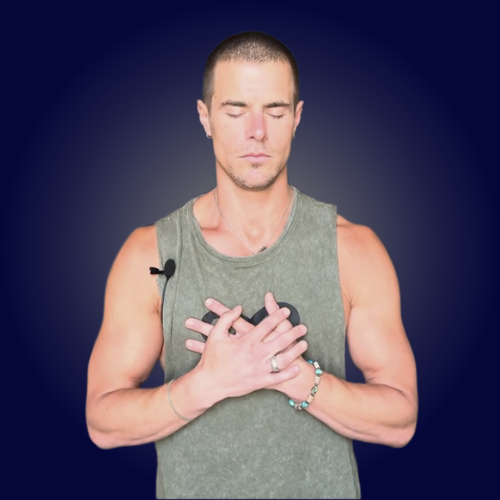
When breathing slows and deepens, something subtle but powerful happens:
The mind becomes quieter
The body becomes accessible
Awareness expands
Breath connects the mind, body, and spirit into one coherent system. From this state, emotions surface without overwhelm. Trauma stored in fascia and tissue becomes visible. The body begins to release what it has been holding.
This is not emotional collapse.
This is integration.
And as the internal environment changes, the external world follows.
Relationships shift.
Perception sharpens.
Old patterns lose their grip.
When you are truly in your body, your life reorganizes itself around safety instead of survival.
Healing Requires a DIY Mindset
No one can breathe for you.
No one can be present for you.
Somatic healing requires a daily, self-led practice—a “DIY” approach that builds safety from the inside out. At first, presence feels unfamiliar, even uncomfortable. Over time, it becomes natural.
Just like learning a language, repetition creates fluency.
Eventually, you stop doing the practice.
Your body simply knows how to be here.
Why You Must “Clean Up” Before You Wake Up
Growth without integration creates instability.
Before awakening, there is a necessary phase of “cleaning up”—meeting the past, understanding trauma, and recognizing emotional patterns stored in the body.
Unprocessed emotions don’t disappear.
They sit quietly—like a monster at the table—consuming energy until you finally turn toward them and ask:
What are you here to teach me?
This is where true healing begins.
I’m sharing openly about inherited anger, grief, and rage passed down through generations—emotions shaped by survival, war, and unexpressed pain. These experiences lived in the body, not the story.
Through daily breathwork and somatic awareness, that stored emotion became fuel—not for destruction, but for love, service, and healing.

The Foundational Breath Practice for Nervous System Healing
Before adding fascia release, movement, or advanced techniques, the foundation must be stable.
This simple daily breath practice builds safety over time:
This slow nasal breathing activates the parasympathetic nervous system, signaling rest, regulation, and presence.
Over days and weeks, the body learns something profound:
I am safe to be here.
Why Breath Is the Foundation of a Regulated Life
Trying to heal without breath awareness is like building a skyscraper on an unstable foundation. It may stand for a while—but stress, trauma, or life will eventually knock it over.

Slow, deep breathing creates:
- Nervous system regulation
- Emotional resilience
- Clear perception
- A grounded sense of self
Shallow, fast breathing creates disconnection.
You move through life, but you are never fully in it.
When breath becomes steady, you begin to notice what was always there:
The trees.
The light.
The beauty of the present moment.
Nothing Is Found Outside of Presence

Healing is not something you acquire.
Peace is not something you earn.
Everything you are looking for—clarity, love, connection—emerges when you are present within yourself.
The soul is here to remember what unconditional love feels like in a human body. That remembering happens now—not later, not someday.
And the doorway is always the same.
The breath.
This is the work. Not perfection. Not bypassing. But daily presence, nervous system safety, and embodied self-love. The breath is not just how you survive. It is how you return to yourself.


4 Responses
Thank you this is exactly what o need right now to reset, release, relax and return to me thank you much love 💗 🙏🏼
thank you. ♾️
Thank you for expressing insightful perspectives.
thank you. ♾️